


Conversations about youth firearm injuries shouldn’t begin in moments of crisis. They must start with small observations, trusted relationships, and opportunities to intervene.
Key takeaways
|
Nurses have long played a pivotal role in protecting the health and safety of children and adolescents. From routine wellness visits to emergency care, nurses often serve as one of the first points of contact for young patients and their families. That trusted position places them in a unique role when it comes to early intervention and prevention efforts surrounding youth firearm injuries.
Prevention conversations don’t have to feel intrusive or uncomfortable. In many healthcare settings, these discussions are simply an extension of everyday nursing care. Just as nurses provide education about nutrition, sleep, injury prevention, and mental health, they can also help support conversations about safety, well-being, and risk reduction.
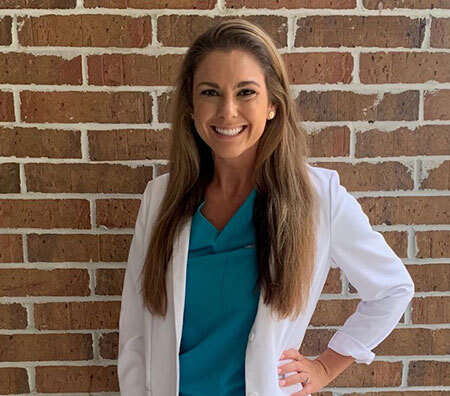
Small, respectful conversations can make a meaningful difference over time. According to pediatric critical care nurse Sarah Lilliott, BSN, RN, healthcare professionals are often on the front lines when it comes to recognizing opportunities for intervention and support.
Why early intervention matters in pediatric and adolescent health
Injury remains one of the leading causes of harm and death among adolescents and young adults worldwide, according to the World Health Organization. Within that broader category, firearm-related injuries (accidental and non-accidental) have become the leading cause of death among youth in the U.S., making prevention and early intervention increasingly important topics in healthcare.
Prevention is closely tied to core nursing ethical principles, including:
- Respect for patients
- Advocacy
- Beneficence (promoting well-being)
- Nonmaleficence (preventing harm)
- Compassionate communication
Early intervention allows healthcare professionals to identify concerns before they escalate into a crisis. Rather than focusing only on emergency response after an incident occurs, nurses can help create safer outcomes through proactive conversations and supportive care.
Initiatives like “Agree to Agree” aim to help healthcare professionals navigate these conversations in a constructive and nonjudgmental way. The campaign encourages respectful dialogue around youth firearm injury prevention while emphasizing shared goals, including keeping children and families safe.
Conversations like these may feel a little divisive, noted Lilliott. However, she emphasized that healthcare professionals, patients, and families often discover more shared concerns and goals when conversations are approached respectfully.
“As long as you have the correct approach, we figure out we have a lot more in common than we think,” she said.

Recognizing early opportunities for prevention
One of the most important aspects of early intervention is recognizing that warning signs aren’t always overt. Prevention often begins with noticing subtle shifts over time.
Nurses may observe:
- Changes in mood or behavior
- Increased withdrawal or disengagement
- Family stressors or major transitions
- Missed appointments
- Signs of anxiety, fear, or emotional distress
- Environmental or social concerns
Lilliott, who works as a travel nurse with Aya Healthcare, a partner of "Agree to Agree," emphasized the importance of observation and active listening when working with patients and families.
“Let them know that you are there for them,” she said. “You’re in their corner. You’re not there to judge them.”
Curiosity is also especially important. Avoid making assumptions and approach concerns with empathy and openness. A thoughtful question or supportive conversation may help identify needs that would otherwise go unnoticed.
“Once you know your patient, you're able to pick up on subtle behavior changes," Lilliott added. “And a lot of times, those small changes are the important ones to pick up on so that you can guide your care into the appropriate conversations that you need to.”
How to start sensitive conversations with families
Conversations related to firearms can feel uncomfortable for both healthcare professionals and families. However, respectful communication strategies can help reduce defensiveness and encourage productive dialogue.
One effective approach is using nonjudgmental language centered on shared goals. This type of framing helps normalize the conversation while reinforcing that the discussion is part of routine care rather than a personal criticism.
Open-ended questions can also help families feel heard and involved:
- “What safety concerns do you think about most at home?”
- “How do you typically approach conversations about safety with your child?”
- “What support or resources would feel most helpful right now?”
This also makes meeting patients and families where they are crucially important, according to Lilliott.
“Allowing families their space and letting them know that they can come to you makes it so that when they’re ready, those conversations can be more meaningful,” she said. “And I feel like the more compassion you put into it, the more meaningful it is and the more that families are going to take away from it.”
Respecting the autonomy of patients and their families is another important part of building trust. Families are more likely to engage when they feel included in the conversation rather than lectured or judged.
Building trust over time and follow-up conversations
Early intervention is rarely accomplished through a single conversation. Instead, trust is often built gradually through consistency, empathy, and follow-up.
Nurses can help strengthen prevention efforts by:
- Reinforcing consistent safety messaging
- Following up respectfully during future visits
- Continuing conversations without pressure
- Maintaining rapport even when perspectives differ
Lilliott, who has been a pediatric critical care nurse for 11 years, stressed that follow-up conversations are especially important because families may feel overwhelmed during emotionally difficult situations. Revisiting discussions later can help reinforce key points and provide opportunities for additional questions or clarification.
“I just try to keep the conversation open, keep it flexible, and make sure that the conversation that was originally had, that there's an understanding from it,” she said. “And a brief follow-up lets me know there is a good understanding [of what we discussed].”
According to Lilliott, some follow-up questions, such as “Is there anything else that we need to review?” or “Is there anything else we need to discuss again or maybe go into further?” may be all that is needed.
Sometimes the goal is simply planting a seed. A brief conversation today may influence future decisions or encourage families to seek additional support later on.

Practical tools for conversations around firearm injury prevention
You don’t need extensive additional training to begin incorporating firearm injury prevention strategies into daily practice. Small, realistic approaches can be highly effective.
Motivational interviewing
Motivational interviewing techniques encourage collaboration rather than confrontation. These techniques include:
- Asking open-ended questions
- Reflective listening
- Affirming strengths
- Supporting patient autonomy
This communication style can help families feel respected and more willing to engage in sensitive discussions.
Anticipatory guidance
Anticipatory guidance allows healthcare professionals to “educate families about developmental changes and injury prevention associated with specific ages,” according to ScienceDirect. Incorporating this approach into prevention conversations can help make safety discussions a natural part of routine education during pediatric and adolescent visits.
Brief screening approaches
Simple screening questions related to stress, emotional well-being, or safety concerns may help identify opportunities for additional support and resources. Nurses can also assess for social determinants of health that may contribute to increased risk.
Lilliott emphasized the importance of keeping families involved throughout the care process, particularly when addressing concerns such as bullying, emotional distress, or care related to youth firearm injuries.
The power of collaboration and community partnerships
Youth firearm injury prevention is most effective when healthcare professionals, schools, families, and community organizations work together. Nurses often serve as connectors between these groups.
Initiatives like “Agree to Agree” emphasize respectful dialogue across differences while helping families feel supported rather than blamed. This collaborative approach can reduce stigma and encourage more productive conversations around youth gun violence prevention.
Community partnerships may include:
- School-based programs
- Local mental health resources
- Youth mentorship initiatives
- Violence prevention organizations
- Family support services
“As healthcare professionals, we’re responsible for navigating the resources that we use and also being familiar with the resources that we recommend to families,” said Lilliott. “A lot of times, this can involve community groups, state or federal [programs], or nonprofit-led things.”
By connecting families with appropriate resources, nurses can help extend support beyond the healthcare setting.
Supporting nurses in doing this work
Many nurses recognize the importance of prevention conversations but may still feel uncertain about how to approach sensitive topics like youth firearm injury prevention. Time constraints, discomfort, and fear of saying the wrong thing are all common challenges.
“You just have to remove all of the stigma, and you have to go in very, very open-minded,” she explained. “And I feel like if you go in open-minded, you have a lot more chance of [patients] listening and actually hearing what you have to say and understanding it and maybe even asking questions and continuing the conversation on.”
Simple communication frameworks, active listening skills, and supportive resources can help nurses feel more confident. Prevention efforts don’t need to be perfect to be valuable. Even brief, compassionate conversations can contribute to safer outcomes for children, adolescents, and families.

Frequently asked questions on youth firearm injury prevention
Why are nurses important in youth firearm injury prevention?
Nurses often build trusted relationships with children, adolescents, and families, allowing them to identify risk factors, provide education, and support early intervention before a crisis occurs.
How can nurses start conversations about firearm safety with families?
Using respectful, nonjudgmental language and open-ended questions helps create a comfortable environment for discussing safety concerns while keeping the focus on shared goals, such as protecting children and promoting well-being.
What role does follow-up play in prevention efforts?
Follow-up conversations help reinforce important safety messages, address new concerns, answer questions, and strengthen trust between healthcare professionals and families over time.
How do community partnerships help prevent youth firearm injuries?
Collaboration among healthcare providers, schools, mental health professionals, community organizations, and family support programs can expand access to resources and create a more comprehensive approach to prevention.


